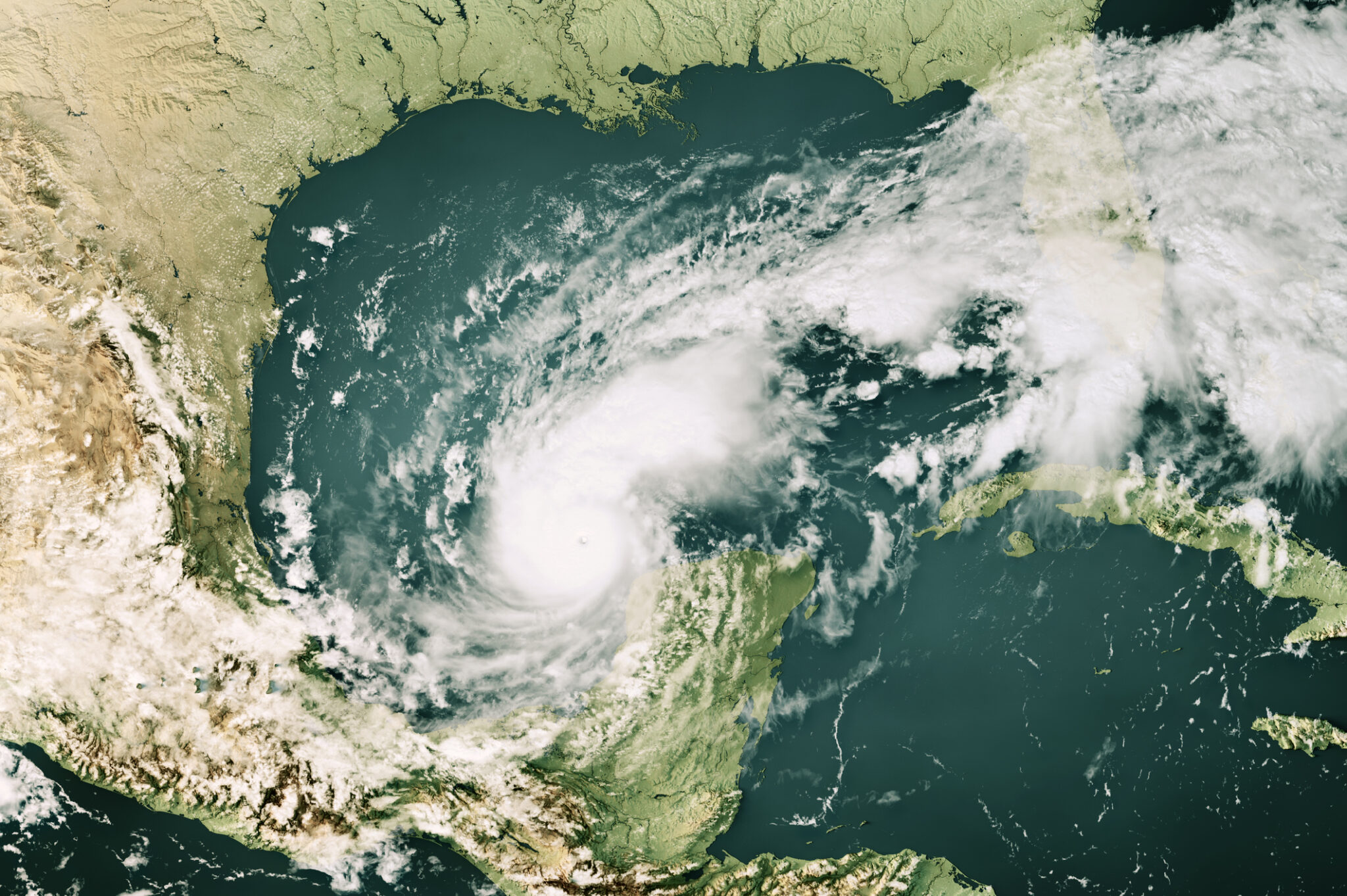
Even as the 2023 Atlantic hurricane season proves to be more intense than originally predicted, federal funding for the (NFIP) is threatened by a potential government shutdown. Funding for NFIP will expire after September 30 if lawmakers don鈥檛 reach a deal.
Claims on existing policies would still get paid if NFIP isn鈥檛 reauthorized. But the program would be unable to issue new policies and would face other funding constraints. If it can’t issue new policies, thousands of real estate transactions requiring flood coverage could be derailed.
Insured losses from hurricanes have risen over just the past 15 years. When adjusted for inflation, nine of the 10 costliest hurricanes in U.S. history have struck since 2005. This is due in large part to the fact that more people have been moving into harm鈥檚 way since the 1940s, and Census Bureau data show that homes being built are bigger and more expensive than before. Bigger homes filled with more valuables means bigger claims when a flood occurs 鈥� a situation exacerbated by continuing replacement cost inflation.
Flooding isn鈥檛 just a problem for East and Gulf Coast communities. Inland flooding also is on the rise. In August 2021, brought heavy flooding to the Louisiana coast before delivering so much water to the northeast that Philadelphia and New York City saw flooded subway stations days after the storm passed. Floods in in 2022 further underscored the need for more comprehensive planning on how to deal with these disasters and reduce the nationwide flood protection gap. California and the Pacific Northwest have been hit in recent years by drenching 鈥渁tmospheric rivers鈥� and, most recently, , which slammed Southern California and neighboring Nevada, where it turned the festival in the state鈥檚 northern desert into a dangerous mess of foot-deep mud and limited supplies.
Flood insurance is provided by NFIP and a small but growing number of private insurers, who have become increasingly comfortable writing the coverage since the advent of sophisticated modeling and analytical tools. Between 2016 and 2022, the total flood market grew 24 percent 鈥� from $3.29 billion in direct premiums written (DPW) to $4.09 billion 鈥� with 77 private companies writing 32.1 percent of the business.

Flood risk was long considered untouchable by private insurers, which is a large part of the reason the federally run NFIP exists. While private participation in the flood market is growing, NFIP remains a critical source of protection for this growing and underinsured peril.
Want to know more about the risk crisis and how insurers are working to address it? Check out Triple-I鈥檚 upcoming Town Hall, 鈥�,鈥� which will be held Nov. 30 in Washington, D.C.

Learn More: