By Lewis Nibbelin, Research Writer, Triple-I
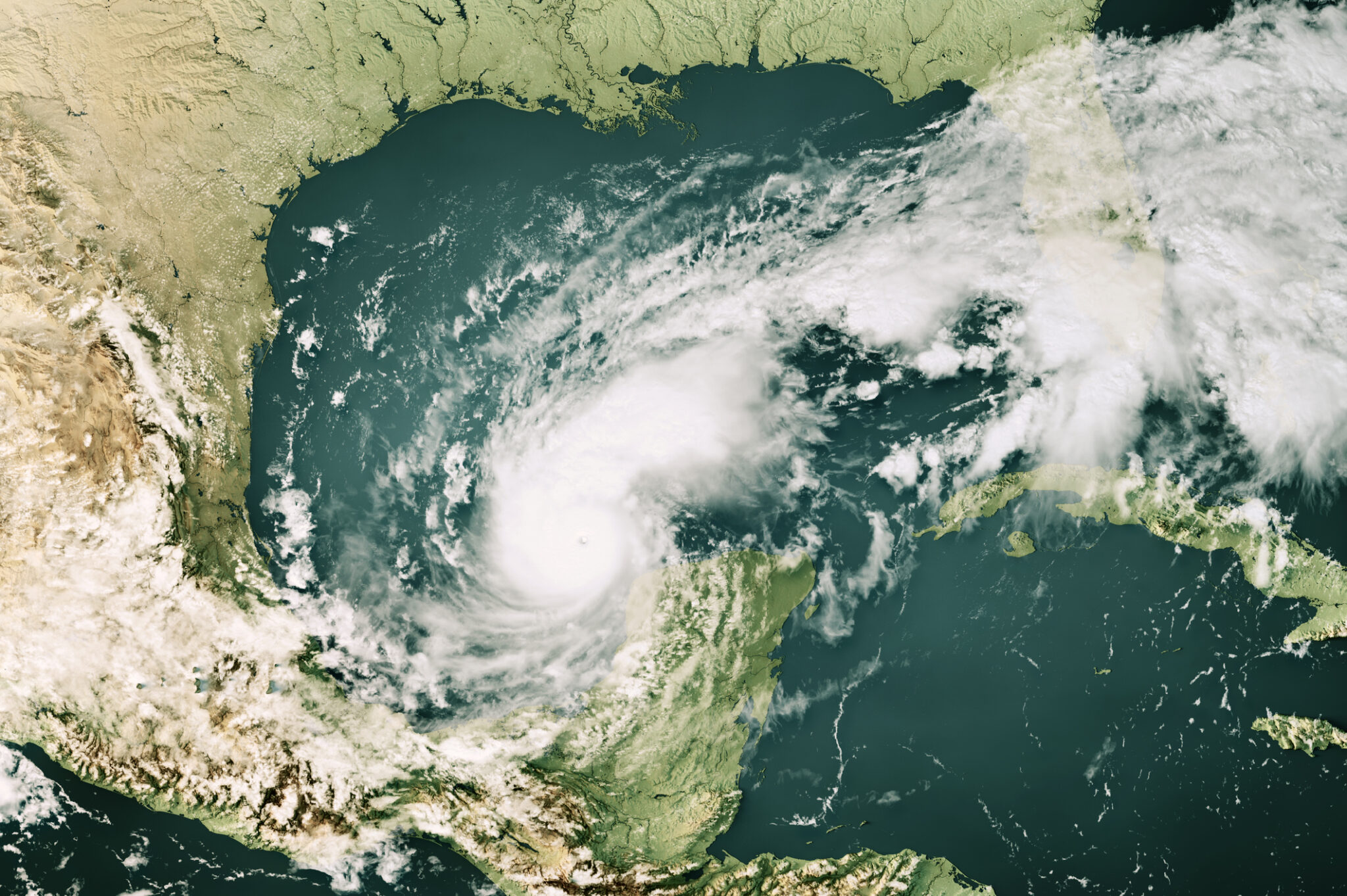
Colorado State University (CSU) researchers a “somewhat below normal” Atlantic hurricane season in their initial 2026 projections, citing the likely development of a robust El Niño event as the primary reason for their forecast of six hurricanes this year.
Led by senior research scientist and Triple-I non-resident scholar Phil Klotzbach, the CSU TC-RAMS team predicts 13 named storms and six hurricanes, two of which will become major hurricanes, or those that reach Category 3 strength or higher. A typical Atlantic season sees 14 named storms, seven hurricanes, and three major hurricanes.
The team’s forecast stems from conditions favorable for a strong El Niño, characterized by above-average ocean temperatures in the central and eastern tropical Pacific. Typical El Niño events “tend to increase winds high up in the atmosphere,” Klotzbach explained, which increases levels of vertical wind shear, or changes in wind speed and direction.
Noting “too much shear tears hurricanes apart,” Klotzbach said that “especially when those events are moderate or strong, they cause very significant impacts in Atlantic hurricane activity.”
A potential record-setting on the horizon would suggest impacts far beyond the Atlantic, including extreme heat around the globe. Bringing drought to some regions and flooding to others, the event would help suppress Atlantic hurricane activity while boosting hurricane as well as typhoon risks in the Pacific.
But while “the odds of landfall do go down when the forecast is for below normal activity,” Klotzbach emphasized “there have been significant landfalls in seasons that were somewhat below normal.”
For comparison, the 2025 Atlantic hurricane season produced 13 named storms and five hurricanes. Among those five, four became major, including three Category 5 storms – marking only the that more than two such storms occurred in the Atlantic Basin. Though none made landfall in the U.S., the Category 5 tied with 1980’s Hurricane Allen for the strongest Atlantic Basin landfall by wind speed on record, causing widespread damage throughout the Caribbean.
While the season runs from June 1 through Nov. 30, now is the ideal time for families and businesses to review their policies with an insurance professional to ensure they have adequate coverage. Many may be unaware they need flood coverage, which is not part of a standard homeowners, condo, renters, or commercial property insurance policy. Flood policies are offered through FEMA’S and dozens of private insurers.
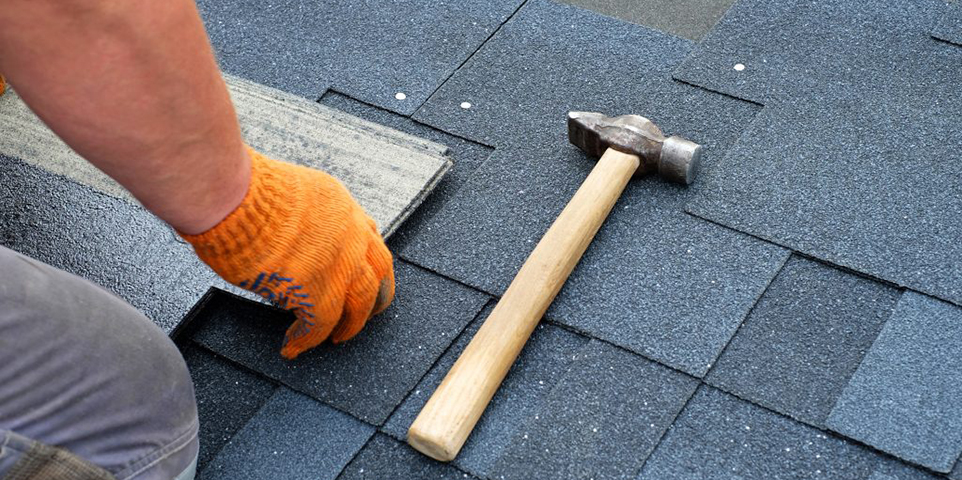
Homeowners can also upgrade their residences to voluntary standards for wind and heavy rain resilience, as modeled by the Â鶹Éç Institute for Business & Home Safety (IBHS). Retrofitting roofs to IBHS standards, for instance, has in reducing hurricane damage, prompting numerous state governments to begin providing premium discounts to policyholders with completed retrofits.
Learn More: