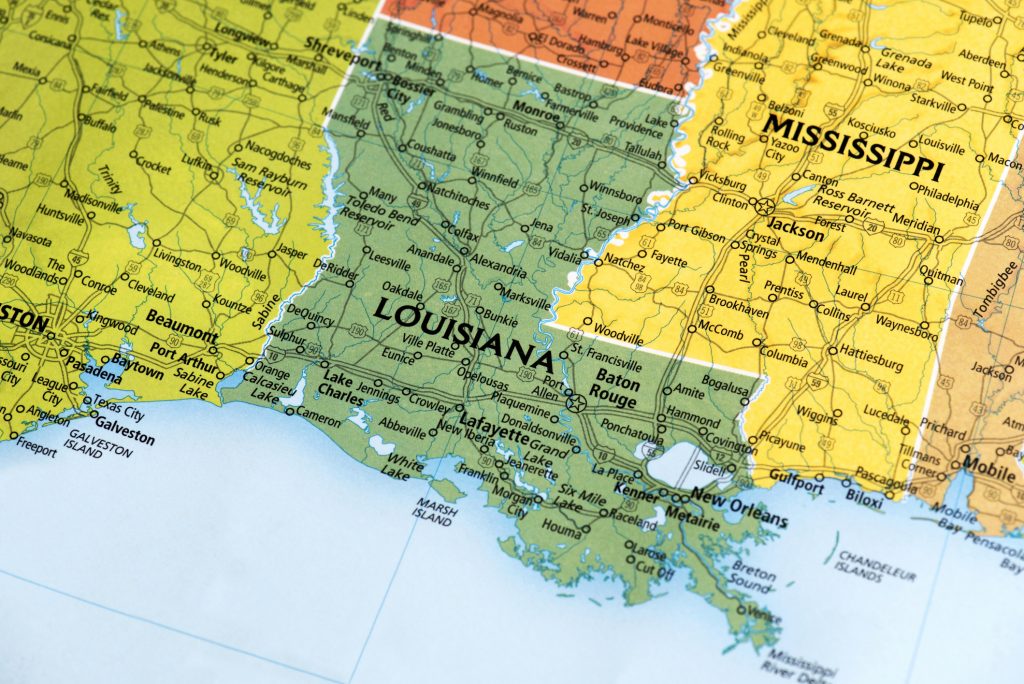
Ten states – Louisiana, Florida, Idaho, Kentucky, Mississippi, Montana, North Dakota, South Carolina, Texas, and Virginia – as well as additional plaintiffs, the Federal Emergency Management Agency (FEMA) over its new methodology for pricing flood insurance, . On Sept. 14, lasted six hours as the plaintiffs sought a preliminary injunction to halt the new pricing regime while the lawsuit plays out.
Many residents of these states are understandably upset about seeing their flood insurance premium rates rise under the new approach. There may not be much comfort for them in knowing that the current system is much fairer than the previous one, in which higher-risk homeowners subsidized those with lower risks. Similarly, policyholders who have had their premium rates reduced under Risk Rating 2.0 are unlikely to take to the streets in celebration.
These homeowners aren’t alone in seeing insurance rates rise – or even having to struggle to obtain insurance. And these difficulties aren’t confined to holders of flood insurance policies. Florida and California are two states in which insurers have been forced to rethink their risk appetite – due in part to rising natural catastrophe losses and in part to regulatory and litigation environments that make it increasingly difficult for insurers to profitably write coverage.
Even before the COVID-19 pandemic and Russia’s invasion of Ukraine – and the supply-chain and inflationary pressures they created – the property/casualty insurance market was hardening as insurers adjusted their pricing and their risk appetites to keep pace with conditions that were driving losses up and eroding underwriting profitability – topics Triple-I has written about extensively (see a partial list below).
“Rising insurance rates are not the problem,� says Dale Porfilio, chief insurance officer at Triple-I. “They are a symptom of rising losses related to a range of factors, from climate and population trends to post-pandemic driving behaviors and surging cybercrime to antiquated policies, outdated building codes, fraud, and legal system abuse.�
In short, we are not experiencing an “insurance crisis,� as many media outlets tend to describe the current state of the market; we are experiencing a risk crisis. And even as the states referenced above push back against much-needed flood insurance reform, legislators in several states have been pushing measures that would restrict insurers’ ability to price coverage accurately and fairly – rather than addressing the underlying perils and forces aggravating them.
Triple-I, its members, and a range of partners are working to educate stakeholders and decisionmakers and promote pre-emptive risk mitigation and investment in resilience. We are using our position as thought leaders and our unique non-lobbying role in the insurance industry to reach across sector boundaries and drive constructive action. You will be hearing more about these efforts over the next few months.
The success of these efforts will require a collective understanding among stakeholders and decisionmakers that for insurance to be available and affordable frequency and severity of risk must be measurably reduced. This will require highly focused, integrated projects and programs – many of them at the community level – in which all stakeholders (co-beneficiaries of these efforts) will share responsibility.
Want to know more about the risk crisis and how insurers are working to address it? Check out Triple-I’s upcoming Town Hall, “,� which will be held Nov. 30 in Washington, D.C.

Learn More:
Shutdown Threat Looms Over U.S. Flood Â鶹Éç
Illinois Bill Highlights Need for Education on Risk-based Pricing of Â鶹Éç Coverage
IRC Outlines Florida’s Auto Â鶹Éç Affordability Problems
Education Can Overcome Doubts on Credit-Based Â鶹Éç Scores, IRC Survey Suggests
Matching Price to Peril Helps Keep Â鶹Éç Available & Affordable
Triple-I “State of the Risk� Issues Brief: Flood
Triple-I “State of the Risk� Issues Brief: Hurricanes
Triple-I Issues “Trends and Insightsâ€� Brief: Risk-Based Pricing of Â鶹Éç