By Lewis Nibbelin, Contributing Writer, Triple-I
麻豆社 industry executives and thought leaders gathered yesterday for Triple-I鈥檚 Joint Industry Forum (JIF) in Chicago to discuss the trends, economics, geopolitics, and policy influencing the market today, as well as ways to navigate these complexities while focusing on making their products affordable and available for consumers.
Triple-I CEO Sean Kevelighan in his opening remarks, noted that effective risk management depends on collaboration across stakeholder groups, as interconnected perils 鈥減resent a community problem, not just an industry problem.鈥�

JIF keynote speaker Louisiana 麻豆社 Commissioner Tim Temple said facilitating community resilience planning is a top priority for the National Association of 麻豆社 Commissioners (NAIC). The NAIC鈥檚 2025 initiative 鈥� 鈥溾�� 鈥� aims to improve disaster mitigation and recovery by consolidating 鈥渢he collective expertise of experienced state regulators from across the country, who can share real-time insights and proven strategies,鈥� Temple said.
Among the initiative鈥檚 goals is aggregating more data from insurers to better understand challenges to affordability and availability on state levels, which the NAIC can then translate into actionable policy proposals. Such data calls, Temple said, help regulators, legislators, and policyholders focus on improving the cost drivers of insurance rates.

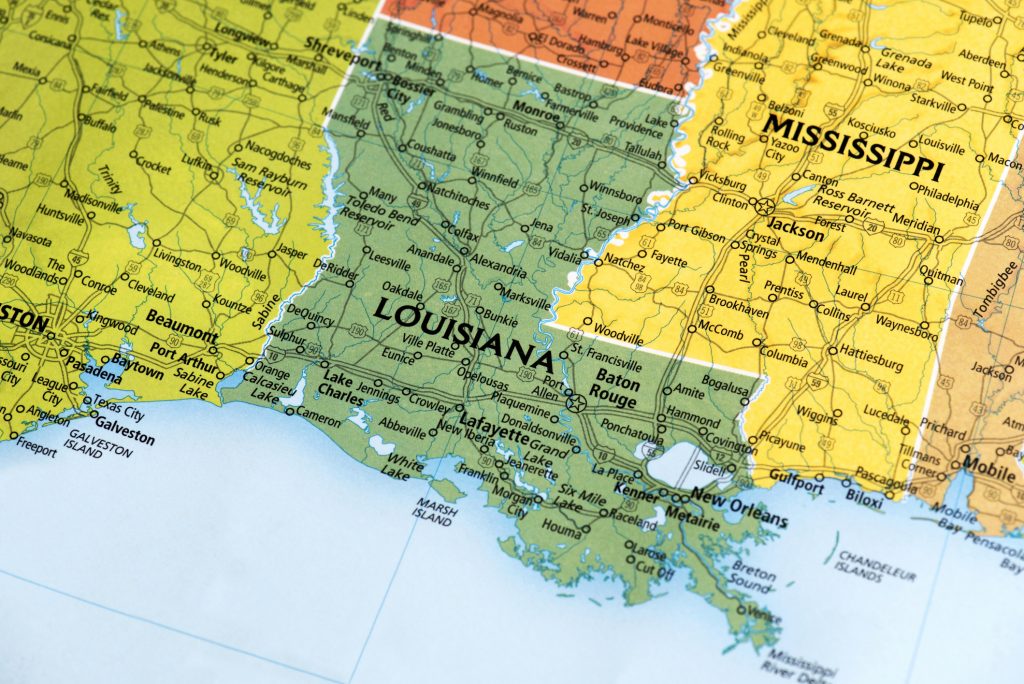
Louisiana has consistently been among the least affordable states for homeowners and auto insurance,聽according to the聽聽(IRC), in part because of its reputation for being plaintiff-friendly in civil litigation. Significant tort legislation has been approved in the state, but resistance to reform remains a challenge.
Getting to the roots of high premiums
After a recent data call in his home state, Temple told the JIF audience, 鈥淔or the first time in Louisiana, we’re not talking about only premiums. We’re talking about why premiums are where they are.鈥�
A critical lack of transparency surrounding cost drivers persists, however. Temple criticized the National Flood 麻豆社 Program鈥檚 reforms for not publicly disclosing more information 鈥渇or individuals and communities to identify and address factors driving up their premiums,鈥� such as 鈥渨hether increased rates take into account levee systems, pump stations, and other things designed to help mitigate against floods.鈥�
Conversely, government programs like Strengthen Alabama Homes 鈥� and the numerous programs it inspired, including in Louisiana 鈥� have demonstrated success in communicating the benefits of resilience investments for consumers and policymakers.
鈥淲e鈥檙e seeing major positive results after just a few short years,鈥� Temple said, noting that, since early 2024, over 5,000 homeowners not chosen for Louisiana鈥檚 grant program still decided to invest in the same hazard mitigation, as they may still qualify for the corresponding state-mandated insurance discounts.
鈥淎s natural disasters become more frequent and severe, state regulators will continue to drive forward common-sense policies that protect consumers and ensure that insurance remains available and reliable for at-risk communities,鈥� Temple concluded. Developing the database required for such policies is a necessary first step.
Keep an eye on the Triple-I Blog for further JIF coverage.
Learn More
Significant Tort Reform Advances in Louisiana
Louisiana Senator Seeks Resumption of Resilience Investment Program
Louisiana Reforms: Progress, But More Is Needed to Stem Legal System Abuse
Louisiana Is Least Affordable State for Personal Auto Coverage Across the South and U.S.
Who鈥檚 Financing Legal System Abuse? Louisianans Need to Know
Study Touts Payoffs From Alabama Wind Resilience Program
Outdated Building Codes Exacerbate Climate Risk
Resilience Investments Paid Off in Florida During Hurricane Milton