ByÌýSean M. Kevelighan, CEO, The Â鶹Éç Information Institute
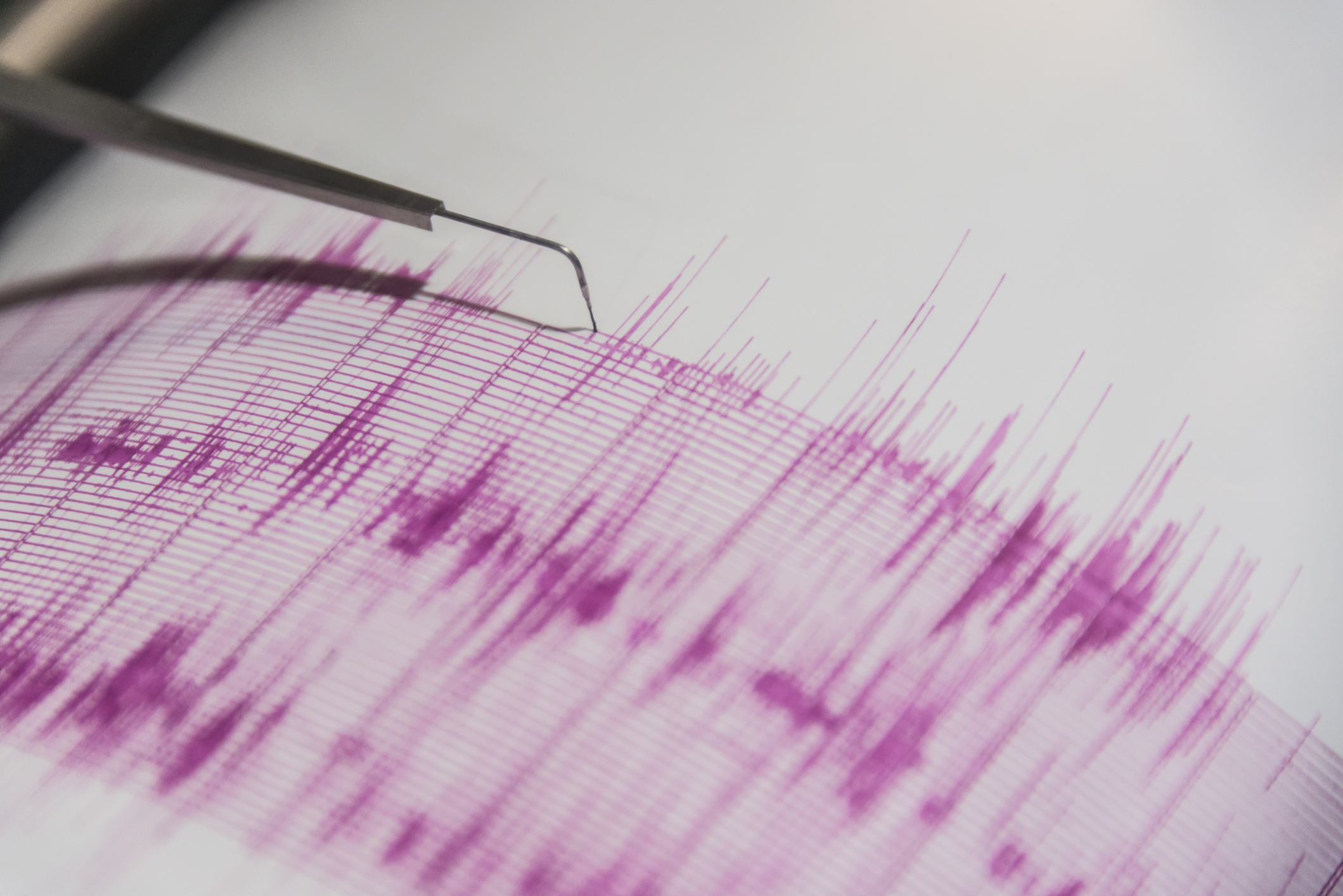
The earthquakes that hitÌýsouthernÌýCalifornia on July 4 and 5 gave us all reason toÌýreflect on a natural disaster that infrequently makes headlines here in the U.S.Ìý AÌýmajor seismic event occurring near several population centers is the sort of thing that many fear—but it’s also something insurersÌýstudyÌýconstantlyÌýtoÌýmake sure quake-impactedÌýaffected areas can recover and rebuild.
Earthquakes and other natural disasters are facts of life.ÌýTheÌýInternational Code Council (ICC) helps to that enable households and communities to rebound faster and more completely after an earthquake.
The ICC reports:
Ìý“On the morning of July 4, a 6.4 magnitude earthquake rattled through Southern California, with another 7.1 magnitude quake striking the region the following evening.“The damage resulting from these events could have been significant. Thanks to the modern, up-to-date building codes in California – based on the International Codes (I-Codes) – the Searles Valley Earthquake resulted in no loss of life and minimal structural damage. The I-Codes are keeping us safe, and this event reminds us of the importance of adopting and effectively implementing current model building codes as a key defense against natural disasters. Building codes save lives.
“According to structural engineers working with the Earthquake Engineering Research Institute, the homes and buildings experiencing the most severe damage date back to the 1930s, ’40s and ’50s. Modern buildings built using model codes experienced damage that was largely limited to nonstructural elements or contents.â€�
We encourage you to about the essential role of building codes in creating a “resilience culture� to make our communities safer and more productive.